
As people age, maintaining a clean and safe living environment becomes increasingly important. Carpets, while adding warmth and comfort to a home, can also harbor dust, allergens, and bacteria that pose health risks. For seniors, these risks are amplified due to weaker immune systems and increased susceptibility to respiratory issues. Proper carpet cleaning not only preserves the appearance of flooring but also contributes significantly to a healthier living space. Regular maintenance, along with professional carpet cleaning services in New Jersey, can help remove deeply embedded dirt and allergens, reduce fall hazards, and maintain a safer environment for older adults.
The Health Risks Linked to Dirty Carpets
Carpets accumulate a range of contaminants over time. These can affect both physical health and overall comfort for seniors:
- Allergens: Dust mites, pollen, and pet dander trapped in carpet fibers can trigger asthma attacks or allergy flare-ups.
- Bacteria and Germs: Spills and foot traffic can introduce harmful microorganisms that may lead to infections.
- Mold and Mildew: Moisture from spills or high humidity encourages mold growth, which can release spores affecting respiratory health.
- Slipping Hazards: Heavy accumulation of debris or loose fibers can increase the risk of trips and falls.
Addressing these concerns through proper cleaning is vital to promoting wellness and safety.
Daily and Weekly Carpet Care Practices
Regular attention prevents contaminants from building up and minimizes health risks. Simple habits can make a noticeable difference:
- Frequent Vacuuming: At least twice a week in high-traffic areas to remove dirt and hair.
- Spot Cleaning: Address spills and stains immediately using gentle, fiber-safe solutions.
- Furniture Rotation: Reduces uneven wear and prevents debris from accumulating in hidden spots.
- Low-Pile Carpets: Consider replacing high-pile carpets with lower-pile options, which are easier to clean and less likely to trap dirt.
- Door Mats: Place mats at entrances to reduce dirt and moisture from shoes.
Deep Cleaning Techniques
Surface-level cleaning is not enough to remove contaminants deeply embedded in carpet fibers. Periodic professional intervention ensures a healthier environment:
- Hot Water Extraction: Penetrates deep fibers to remove allergens, bacteria, and dirt.
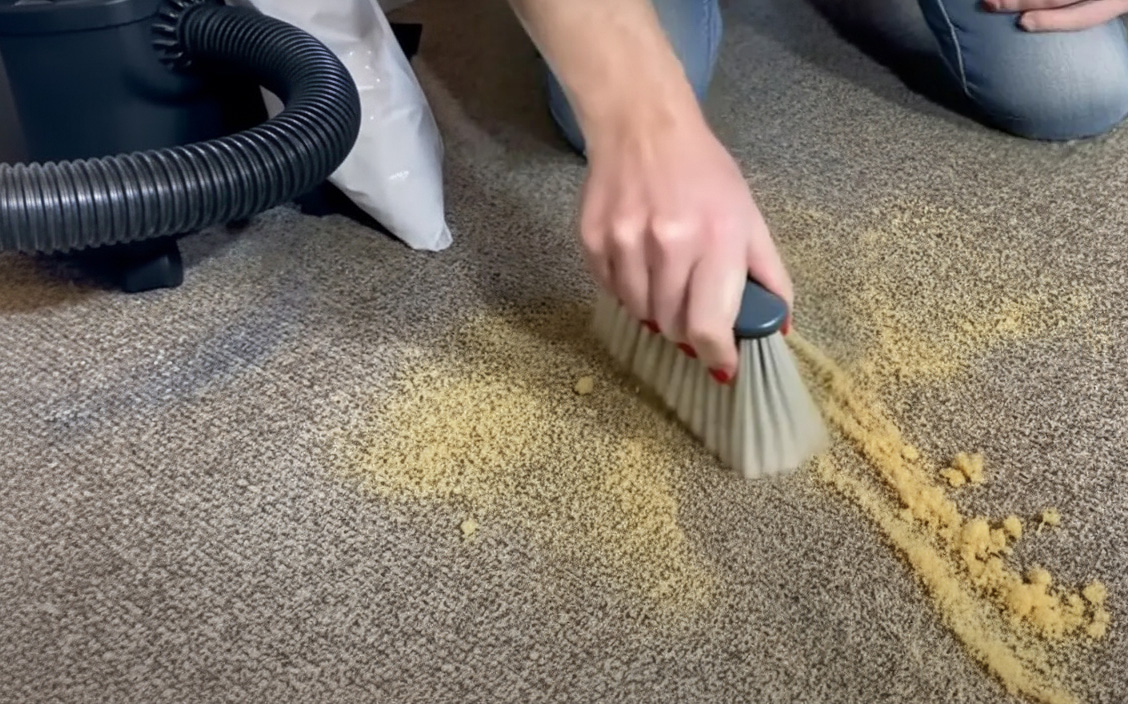
- Dry Carpet Cleaning: Uses absorbent compounds for gentle cleaning, ideal for moisture-sensitive areas.
- Enzyme Treatments: Break down organic matter such as pet accidents or food spills, eliminating odors and bacteria.
- Rotary Shampooing: For heavily soiled carpets, this method agitates fibers to release trapped debris effectively.
Reducing Slip and Fall Risks
Falls are a leading concern for seniors, and carpets can both help and hinder safety depending on their condition:
- Trim Loose Fibers: Loose threads or fraying edges should be repaired promptly to prevent tripping.
- Non-Slip Pads: Place rubber or foam pads under area rugs to keep them in place.
- Clear Pathways: Avoid clutter on carpeted areas, especially in hallways and around furniture.
- Proper Lighting: Ensures seniors can see and navigate carpeted spaces safely.
Stain Management and Odor Control
Spills, pet accidents, and other stains can become health hazards if ignored. Effective methods include:
- Immediate Blotting: Soak up liquids with a clean cloth, avoiding rubbing that spreads the stain.
- Neutralizing Solutions: Baking soda or gentle enzyme cleaners can remove odors and prevent bacterial growth.
- Rinse and Dry: Flush the area with clean water and ensure it dries completely to prevent mold.
- Scheduled Professional Cleaning: Deep cleaning every 6–12 months keeps carpets hygienic and odor-free.
Enhancing Indoor Air Quality
Carpets can trap airborne particles that affect breathing. For seniors, maintaining clean carpets contributes to healthier indoor air:
- Vacuum with HEPA Filters: Captures fine dust and allergens before they circulate.
- Regular Deep Cleaning: Removes hidden dust mites, pet dander, and bacteria.
- Proper Ventilation: Opens windows or uses air purifiers to reduce lingering airborne particles.
Selecting the Right Carpet for Senior-Friendly Homes
The type of carpet installed can influence both safety and ease of cleaning:
- Low-Pile Options: Easier to vacuum and less likely to trap allergens.
- Stain-Resistant Fibers: Synthetic fibers like nylon or polyester reduce the risk of permanent stains.
- Neutral Colors: Hide minor dirt between cleanings, reducing visual stress and maintaining aesthetics.
- Padding Considerations: Firm, supportive padding prevents trips and helps seniors move safely.
Tips for Long-Term Maintenance
Maintaining a safe and clean carpeted environment requires consistent habits:
- Routine Checks: Inspect carpets for loose fibers, stains, or signs of mold.
- Cleaning Schedule: Combine regular vacuuming with professional deep cleaning at intervals suited to household activity.
- Pet Management: Groom pets and manage accidents promptly to reduce contamination.
- Moisture Control: Address spills immediately and maintain indoor humidity levels around 30–50%.
- Protective Measures: Use mats, pads, and furniture protectors in high-traffic areas.
Supporting Overall Senior Health
Clean carpets contribute to more than just aesthetic appeal. They help prevent respiratory issues, reduce allergens, and minimize the risk of falls. By incorporating proper maintenance and professional services, seniors can enjoy a living space that supports both safety and comfort.
When to Call Professionals
Certain situations indicate the need for expert care:
- Persistent odors despite home cleaning
- Stains that resist standard solutions
- Visible mold growth or moisture damage
- Frequent or heavy foot traffic areas requiring deep cleaning
Professional carpet cleaning services in New Jersey provide specialized tools and methods to restore cleanliness, remove allergens, and maintain a safe environment for seniors.
Conclusion
For seniors, a well-maintained carpet is more than decorative—it’s a critical component of a healthy and safe home. Routine cleaning, prompt attention to spills, proper stain management, and periodic professional interventions work together to reduce hazards, enhance indoor air quality, and prolong carpet life. By prioritizing both daily upkeep and deep cleaning, seniors can enjoy a cleaner, safer, and more comfortable living environment.