
Pets bring warmth, companionship, and endless joy, but they can also leave behind stains and odors that compromise both the look and hygiene of carpets. Even the most well-behaved pets can have accidents, and over time, these stains can set deeply into carpet fibers, making them difficult to remove. Regular vacuuming helps, but it cannot reach the root of the problem. Deep cleaning and targeted stain treatments are essential for maintaining a fresh and healthy living space. Professional carpet cleaning services in New Jersey specialize in eliminating stubborn pet stains and odors, addressing both the visible damage and the underlying bacteria and allergens that cause lingering smells.
Why Pet Stains Require Immediate Attention?
Pet urine, vomit, and feces contain organic compounds that can seep deep into carpet fibers and padding. If left untreated, these substances:
- Produce strong odors as bacteria break down organic matter
- Attracts dirt, causing dark spots and discoloration
- Increase the risk of mold and mildew in damp carpets
- Trigger allergic reactions and respiratory issues
Quick action prevents permanent staining and ensures a healthier home environment.
Common Types of Pet Stains
Understanding the type of stain helps in selecting the right cleaning method:
- Urine: Often leaves a strong ammonia-like smell and can discolor fibers.
- Feces: Requires careful removal to prevent spreading bacteria.
- Vomiting: Contains partially digested food and acids that can damage fibers.
- Saliva Stains: Usually minor, but can contribute to lingering odors if ignored.
Each type of stain may require different cleaning approaches to ensure complete removal.
Cleaning Methods That Work
Not all stains respond to household cleaners. Professional techniques ensure deep penetration and fiber restoration:
- Enzyme Cleaners: Break down organic matter, neutralizing odor-causing bacteria.
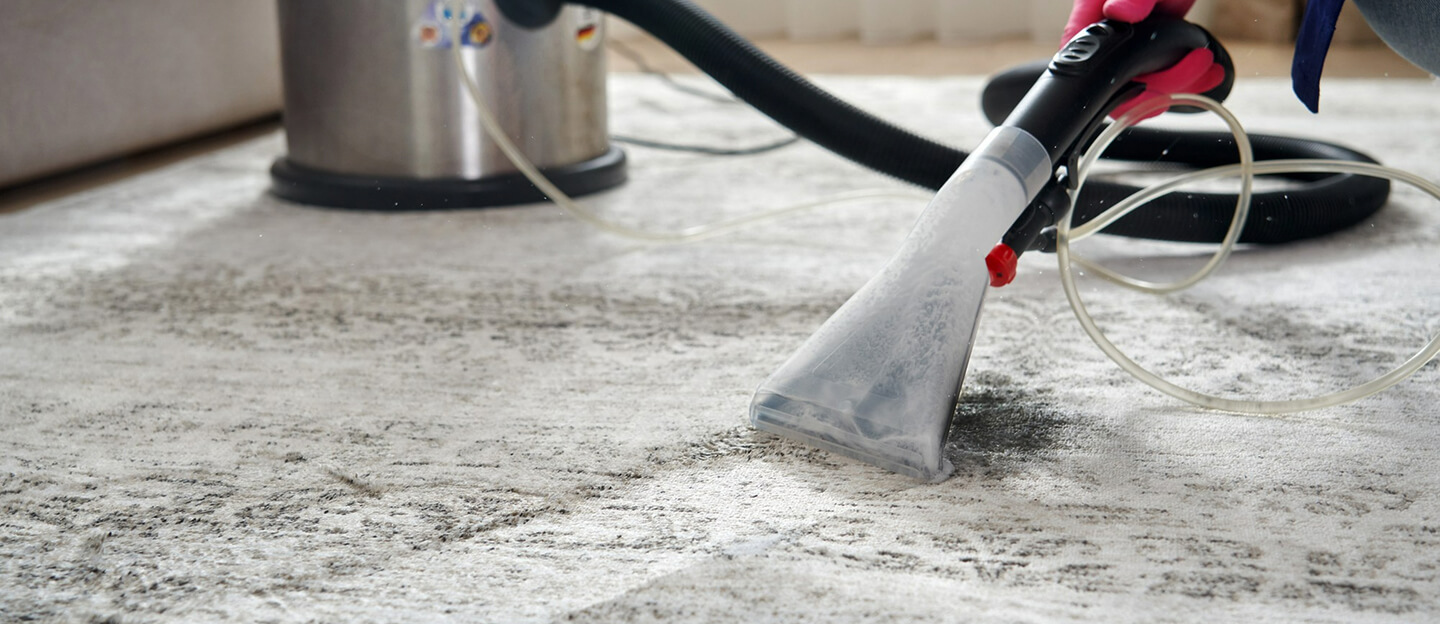
- Hot Water Extraction: Penetrates deep into fibers and padding, flushing out dirt, stains, and allergens.
- Oxidizing Agents: Remove stubborn discoloration and neutralize lingering odors.
- Dry Carpet Cleaning: Uses absorbent compounds to lift stains without excess moisture, preventing mold growth.
Step-by-Step Home Interventions Before Professional Help
While professional cleaning is highly effective, immediate actions can minimize long-term damage:
- Blot the Area: Use a clean cloth to soak up excess liquid—avoid rubbing, which spreads the stain.
- Apply a Neutralizer: Baking soda or a vinegar solution helps neutralize odor and prevent color changes.
- Rinse with Water: Gently flush the area to dilute remaining residues.
- Dry Thoroughly: Use fans or air circulation to ensure complete drying and prevent mold formation.
Maintaining Freshness Between Cleanings
Consistent maintenance can prevent stains and odors from accumulating:
- Vacuum carpets at least twice a week to remove hair and debris.
- Groom pets regularly to reduce shedding and dander.
- Place washable rugs or mats in areas where pets spend the most time.
- Encourage pets to use designated bathroom areas to minimize accidents.
- Use air purifiers to reduce airborne allergens associated with pet activity.
Identifying When Carpets Need Professional Intervention
Some issues require advanced equipment and expertise to fully resolve:
- Persistent odors that linger after cleaning attempts
- Deep-set stains that remain visible or discolored
- Signs of mold or mildew beneath the carpet surface
- Carpets that have absorbed multiple stains over time
Professional carpet cleaning services in New Jersey can restore the carpet’s appearance and hygiene by reaching areas that home methods cannot.
Long-Term Strategies to Reduce Pet Stains
Preventive measures make maintenance easier and reduce the frequency of professional interventions:
- Training and Routine: Encourage consistent pet behavior and bathroom routines.
- Protective Pads: Use carpet protectors or furniture pads in high-traffic areas.
- Quick-Response Cleaning Kit: Keep enzyme-based cleaners, cloths, and neutralizers handy.
- Regular Deep Cleaning: Schedule periodic professional cleanings to maintain fiber integrity and freshness.
- Pet Hygiene: Regular grooming and bathing reduce hair, oils, and odors transferred to carpets.
Health Benefits of Clean Carpets
Pet stains don’t just look unsightly—they impact indoor air quality and health. Bacteria, allergens, and mold spores can exacerbate respiratory issues, particularly in sensitive individuals. Proper cleaning reduces these risks, providing a safe and comfortable environment for family members and pets alike.
Common Mistakes to Avoid
- Rubbing Spills: Can push stains deeper and damage fibers.
- Using Harsh Chemicals: May discolor carpets or leave residues that attract dirt.
- Ignoring Odors: Residual bacteria can cause recurring smells despite surface cleaning.
- Over-Saturating Carpets: Excess moisture encourages mold and mildew growth.
Conclusion
Maintaining a home with pets requires more than just patience—it requires proactive and thorough cleaning strategies. Addressing stains and odors promptly, maintaining a regular cleaning schedule, and leveraging professional expertise ensure carpets remain vibrant, hygienic, and odor-free. With the right approach, even homes with multiple pets can enjoy clean, fresh, and healthy carpeting.